
Building Habits That Stick
Most of us don’t struggle with starting new habits.
We struggle with making them stick.
We set intentions. We try new routines. We start strong.
And then we get hit with busy days, shifting energy, and competing priorities, and the habit quietly fades into the background.
But it isn’t really about the effort; it’s about the design.
Habits don’t just happen because we want them to. They happen because they are built in a way that fits into real life.
This is where a simple “habit recipe” becomes useful.
My Own Habit Recipe
Just recently, a friend introduced me to overnight oats—a simple, high-fiber, protein-rich breakfast you prepare the night before.
It stressed me out at first. Let’s be honest, at the end of the day, once dinner is done and the kitchen is in order, the last thing I want to think about is preparing another meal.
But my friend insisted the overnight oats were changing her life. So tasty, so fulfilling, energy all morning long.
I decided to give it a try.
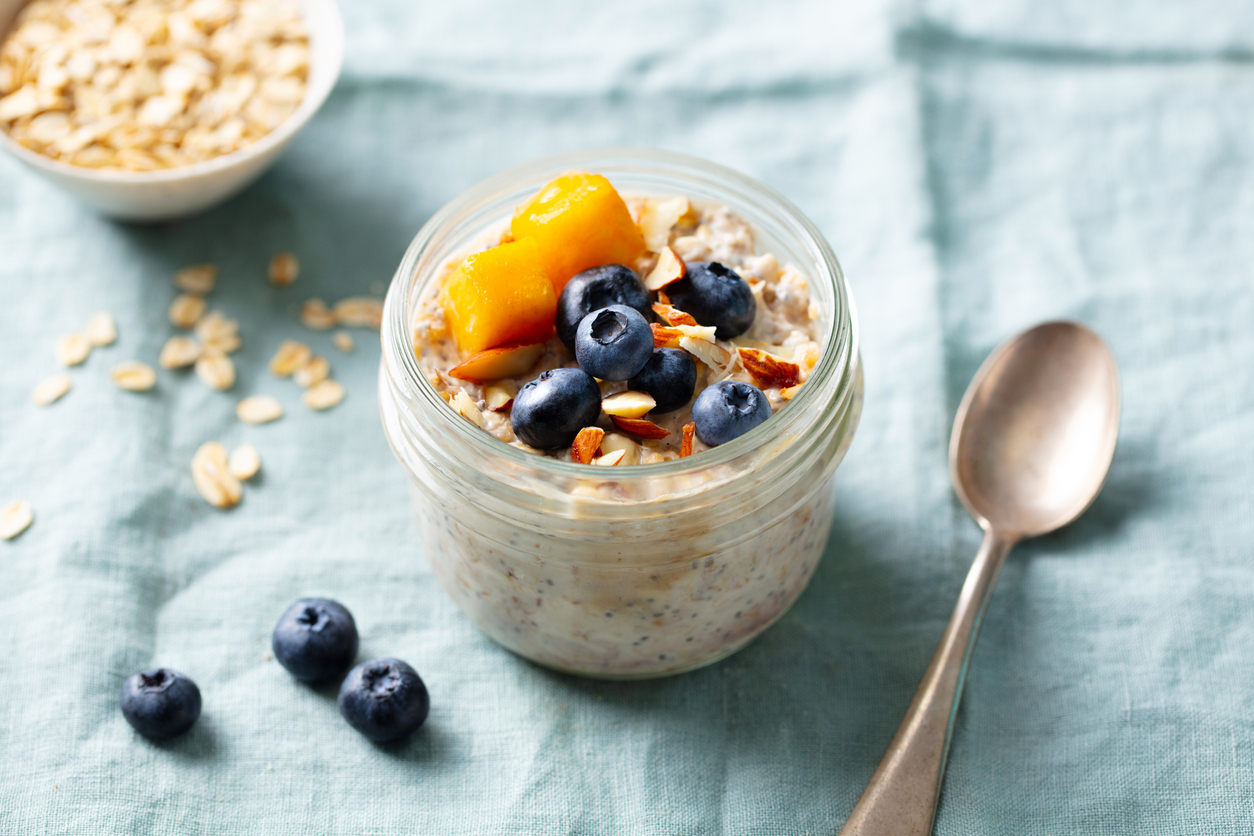
I kept it as simple as possible: oats, almond milk, chia seeds, and honey combined in a mason jar, and I popped it in the fridge. It took less than a minute to prepare. I honestly couldn’t believe it would turn into breakfast by morning.
But the next morning, it was ready and surprisingly satisfying. A handful of fresh blueberries, a sprinkle of chopped pecans, a spoonful of creamy peanut butter, and a generous drizzle of honey.
What a treat.
I was sold. It was delicious and I felt nourished all morning.
Now, when I make my evening tea, I throw it all together while the water is boiling. It takes the same amount of time I used to spend scrolling, but it quietly sets up the next morning.
It is deeply supportive, a gift, in fact, and I feel the satisfaction of both giving this to myself as I prepare it and receiving it in the morning.
And this simple habit has begun to transform the energy of my day.
What Makes a Habit Stick
Habits form quietly through repetition.
Each time we repeat a behavior, it becomes more familiar, more automatic, and more likely to happen again.
BJ Fogg, a behavioral scientist at Stanford University, has shown through his research that behavior occurs when three elements come together: motivation, ability, and a prompt.
When those three align, habits feel natural. When they aren’t, even the best intentions tend to fade. Science and life experience have shown most of us that willpower is not enough.
The good news is that we don’t need more motivation or willpower. We need a better design.
The Habit Recipe
Think of habit-building like a recipe.
When you have the right ingredients, in the right proportions, at the right time, the result becomes repeatable.
A strong habit includes three parts:
1. The Anchor Moment (The Cue)
An anchor moment is that thing you are already doing that cues you when to begin the new behavior. For example:
- After I start my coffee
- After I close my laptop
- After I get into bed
Anchors remove the mental effort of remembering. The habit gets tied to something already happening.
2. Tiny Behavior (The Action)
This is the actual habit itself. And the key thing here is that this behavior is accessible.
James Clear, author of Atomic Habits, emphasizes that small, consistent actions are what drive long-term change. Not intensity. Not perfection. Repetition.
At work or in daily life, this might look like:
- Taking one slow breath before opening an email
- Stretching your shoulders between meetings
- Writing down one priority before starting work
If it’s too big, it won’t stick. If it’s small enough, it will.
3. Celebration (The “Feels Good” Moment)
This is what happens immediately after.
It can be a feeling of completion, a small moment of acknowledgment, or even a quiet pause.
Tara Parker-Pope, author and founding editor of The New York Times Well section, has written extensively about how immediate positive reinforcement helps behaviors become more automatic, especially when the reward is internal rather than external.
We often expect habits to feel rewarding later. But what makes them stick is when they feel good right away, even in a small way.
We are emotional beings. We need that feel-good experience to keep consistency going.
Why This Works in Real Life
Most days are full. Attention is split. Energy shifts.That’s exactly why this approach matters.
A good habit design:
- fits into what’s already happening (anchor moment)
- is easy enough to actually do (tiny behavior)
- feels rewarding in the moment (celebration)
Together, these create something sustainable. And when the habit is not sticking, you know the ingredients to go back and redesign.
You Are the Architect of Your Habits
One of the most important parts of habit-building is remembering that there is no perfect version, only what works for you.
A habit should feel:
- realistic in your actual day
- supportive of how you want to feel
- simple enough to repeat
If it doesn’t fit, you redesign it. You simplify it. You move it. You reshape it.
Start Tiny and with What Matters
One of the other revelations from all of BJ Fogg’s work around Tiny Habits, was that the aspiration behind the habit matters.
Why are you aspiring to this habit?
Is it another “should” on your to do list?
Does it matter to YOU?
While the aspiration may be big, like wanting to feel sustained energy for the day so I can work and play in my life, the behavior needs to be small enough that it feels almost too easy. It may grow into something bigger later, or it may stay small. But the idea is that I make the entry point as accessible as possible.
Attach it to something you already do. And give yourself a moment, however small, to celebrate it when it happens.
That’s the recipe. And like any recipe, it gets better the more you use it.
The “Overnight Oats Effect”
My mornings didn’t change because of the mystical power of overnight oats. Or because I became more disciplined.
They changed because I created something simple enough to repeat.
A small act the night before reshaped the next morning.
Tiny repeatable shifts.
That’s how habits grow.
Leave a Comment